
LGBTQIA+ affirming therapy in West Palm Beach
Rainbowtopia Counseling provides therapy for the full complexity of who you are. Mario Alvarez Serrano offers LGBTQIA+ affirming, gender-affirming and neurodivergent-affirming care for adults, young adults and couples in English and Spanish. Meet in person in downtown West Palm Beach or online from anywhere in Illinois or Florida.
Free 15-minute consultations are available for new clients through the appointment request portal.
Care that is affirming and clinically grounded.
You should not have to educate your therapist about your identity before you can begin therapy.
At Rainbowtopia Counseling, affirming care means more than being accepting. It means understanding how identity, culture, family, relationships, trauma, neurodivergence, sexuality, substance use, and systems of power can shape mental health. It also means meeting you with clinical skill, curiosity, and respect.
This is therapy for people who want depth, honesty, and practical support without having to shrink themselves to be understood.
Clinical specializations
Trauma-informed, gender-affirming, and neuro-inclusive frameworks tailored to your identity and your goals.
Individual Therapy
Therapy for adults and young adults navigating identity, relationships, trauma, neurodivergence, substance use, sexuality, and life transitions.
LGBTQIA+ Affirming
Therapy that understands identity, relationships, family, minority stress, and the emotional cost of having to explain yourself too often.
Neurodivergent-Affirming
Therapy for ADHD, autism, masking, burnout, sensory overload, executive functioning, and identity development.
Trauma Therapy
Support for trauma, PTSD, relational harm, identity-based harm, religious trauma, family rejection, and complex stress.
Addiction & Substance Use
Therapy for substance use, compulsive sexual behavior, shame, secrecy, relapse patterns, and values-based change.
Couples & Relationships
Relationship support for LGBTQIA+ couples, polyamorous/CNM relationships, kink-aware dynamics, mixed-orientation relationships, and chosen family.
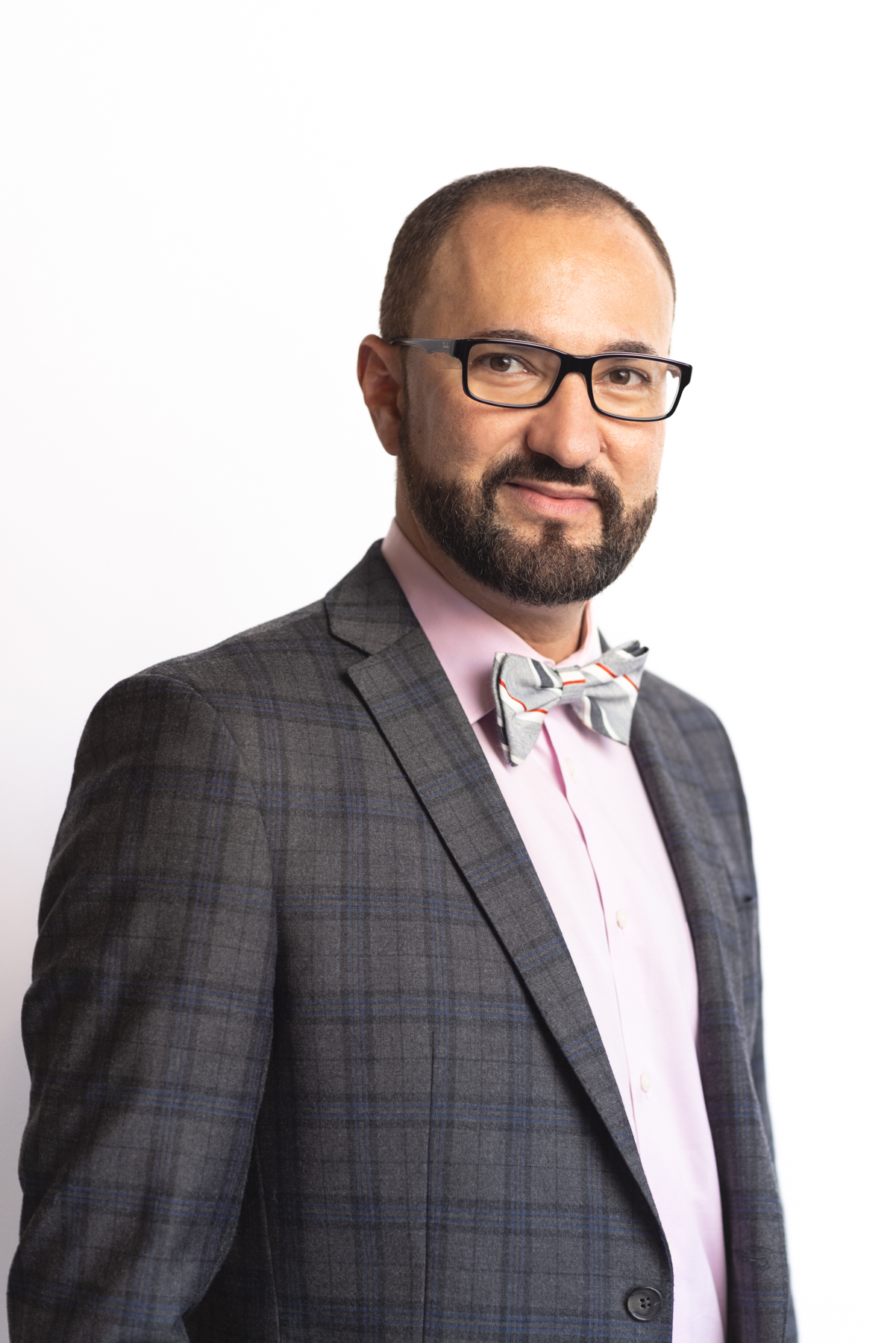
A therapist who doesn't need you to translate.
Mario Alvarez Serrano, MA, JD, LCPC, LMHC, NCC is a bilingual psychotherapist and clinical supervisor licensed in Illinois and Florida. His practice centers LGBTQIA+, trans and gender-expansive clients, queer and trans Latinx/Latine clients, neurodivergent adults, and people in non-traditional relationship structures.
Therapy is collaborative, direct, and practical. The work is not about fitting yourself into someone else's expectations. It is about developing the insight, language, boundaries, and self-trust to live more fully and intentionally as yourself.
More about Mario →West Palm Beach therapy and Illinois & Florida telehealth
Telehealth across Illinois and Florida, with in-person sessions in downtown West Palm Beach. Sesiones disponibles en español e inglés.
En español
Ofrecemos terapia bilingüe en español e inglés. Solicita una consulta gratuita de 15 minutos.
Ver más en español →Frequently asked
What actually happens in the first few therapy sessions?
The first few sessions are about understanding what brings you to therapy, what has been happening in your life, what you want to change, and what kind of support would actually be useful. You do not need to arrive with the perfect explanation or disclose everything immediately. Therapy usually begins with a conversation about your current concerns, your history, your relationships, your identity, your coping patterns, and what you hope will feel different over time. The process is collaborative, direct, and practical. You can expect space to talk freely, but also help organizing what you are experiencing so therapy does not feel vague or passive.
How do I know if a therapist is actually the right fit for me?
A good fit is not only about credentials or whether a therapist lists the right specialty words. You should feel that your therapist can understand the complexity of your life without reducing you to one issue, one identity, or one diagnosis. For LGBTQIA+, trans and gender-expansive, Latine, neurodivergent, kinky, polyamorous, or non-traditional clients, fit can also mean not having to spend the whole session educating your therapist about the basics of your identity or relationships. The right therapist should feel respectful, clinically grounded, and able to be direct without being shaming.
What if my concerns are complicated and overlap with each other?
Many people do not come to therapy with one clean, isolated issue. Identity, culture, neurodivergence, trauma, sex, substance use, family history, relationships, anxiety, shame, and life transitions can all affect each other. Therapy can help you look at the full picture instead of separating your life into artificial categories. The goal is not to label every part of you as a problem. The goal is to understand what is happening with enough clarity that you can make different choices with more authority, self-trust, and support.
Can therapy be affirming and still be direct?
Yes. Affirming therapy does not mean avoiding hard conversations. It means those conversations happen without shame, judgment, or assumptions that your identity is the problem. A therapist can respect who you are while still helping you examine patterns, boundaries, relationships, coping strategies, safety, avoidance, conflict, or choices that may no longer be serving you. The work is not about making you easier for other people to understand. It is about helping you understand yourself more clearly and live with more intention, connection, and self-trust.
How do you approach couples, non-traditional relationships, kink, or consensual non-monogamy?
Relationship therapy here does not assume that every healthy relationship has to look the same. The work may include monogamous relationships, consensual non-monogamy, polyamory, kink-aware dynamics, queer relationships, mixed-orientation relationships, chosen family issues, or relationships that do not fit traditional scripts. The focus is on communication, consent, agreements, emotional safety, conflict, trust, repair, intimacy, boundaries, and the patterns that keep repeating. The goal is not to force your relationship into a conventional model. It is to help the people in the relationship understand what they are building, what is not working, and what would make the relationship more honest, sustainable, and safe.
How do insurance, private pay, and superbills work?
Rainbowtopia Counseling accepts several insurance plans and also offers private pay options. Current fees and accepted plans are listed on the Rates & Insurance page. If you are using out-of-network benefits, a superbill (an itemized receipt for therapy services) may help you request reimbursement from your insurance company. Reimbursement depends on your specific plan, deductible, out-of-network benefits, and insurance rules. If you are unsure what your plan covers, it is usually helpful to contact your insurance company and ask about outpatient mental health benefits, telehealth coverage, deductibles, copays, coinsurance, and out-of-network reimbursement.
Where can I learn more about you as a therapist?
You can read more about my background, approach, and clinical focus on the About page. The practice offers individual therapy, LGBTQIA+ affirming therapy, gender-affirming therapy for trans and nonbinary clients, neurodivergent-affirming therapy, trauma therapy, couples and relationship therapy, and therapy for substance use and compulsive sexual behavior.
Ready to talk?
Start by requesting an appointment or scheduling a free 15-minute consultation. We'll talk briefly about what you're looking for, answer any initial questions, and determine whether this feels like the right therapeutic fit.